January 29, 2026
Maintaining healthy, attractive, and safe trees requires far more than the occasional trim or seasonal cleanup. Property owners across residential and commercial settings rely on professional care to protect structures, preserve landscapes, and prevent hazards before they escalate into costly emergencies. From storm response to long-term health management, local tree services play a vital role in keeping outdoor spaces functional and visually appealing year-round. Understanding what options are available empowers homeowners and business owners to make confident decisions about caring for their trees and planning ahead for unexpected events.
1. Improve Tree Health Through Pruning and Trimming
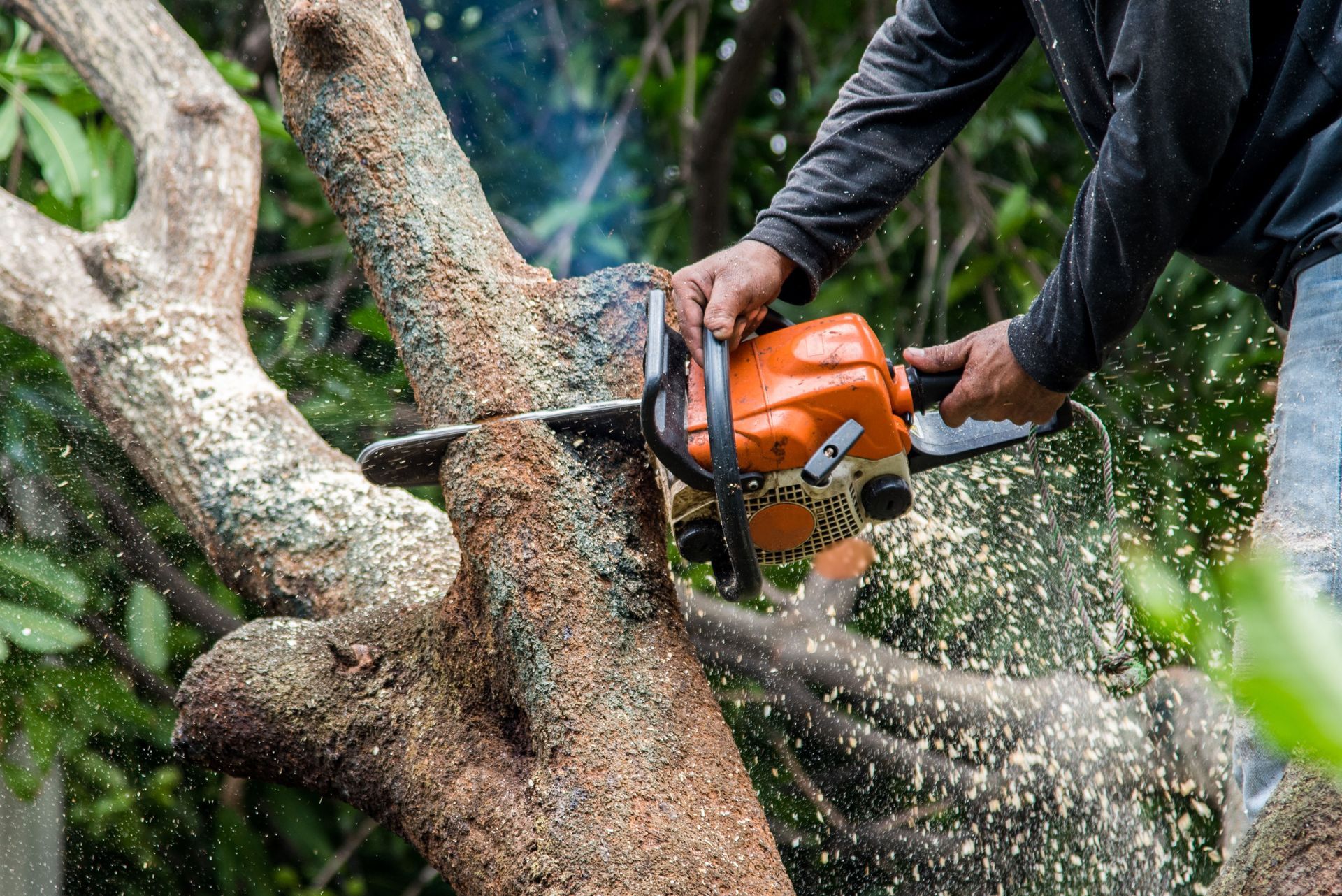
Pruning and trimming are foundational elements of responsible tree care, supporting both visual appeal and long-term structural health. Removing compromised limbs slows the spread of disease while encouraging stronger growth patterns and better airflow throughout the canopy. Over time, these efforts strengthen branch unions and reduce stress points that commonly lead to breakage during storms. Arborists also shape trees to complement surrounding landscapes, framing walkways, highlighting architecture, and improving curb appeal for homes and commercial properties alike. Regular trimming removes limbs near power lines, roofs, sidewalks, and driveways, lowering the risk of property damage or injury while preventing emergencies before they occur.
For fruit-bearing or ornamental trees, trimming directly affects flowering cycles and harvest potential by improving sunlight penetration and directing energy toward healthier branches. Seasonal timing matters just as much as technique, since different species respond best during dormancy or controlled growth phases. Professionals familiar with Central Arkansas climates build pruning schedules around these biological rhythms, helping trees withstand temperature swings, heavy rains, and drought conditions. Many property owners depend on local tree services to design long-term maintenance programs that keep landscapes thriving while avoiding sudden hazards that require emergency intervention.
2. Evaluate When Tree Removal Is Necessary
Tree removal becomes unavoidable when decay, disease, or structural instability reaches unsafe levels. According to Today’s Homeowner, if more than 50% of the tree is damaged or decayed, it needs to be removed, making professional evaluations critical before conditions worsen. Warning signs such as hollow trunks, fungal growth, severe leaning, or uprooted root systems often signal imminent failure, particularly after storms. Homeowners frequently turn to local tree services to assess these risks and recommend action before damage spreads to buildings, utilities, or neighboring properties.
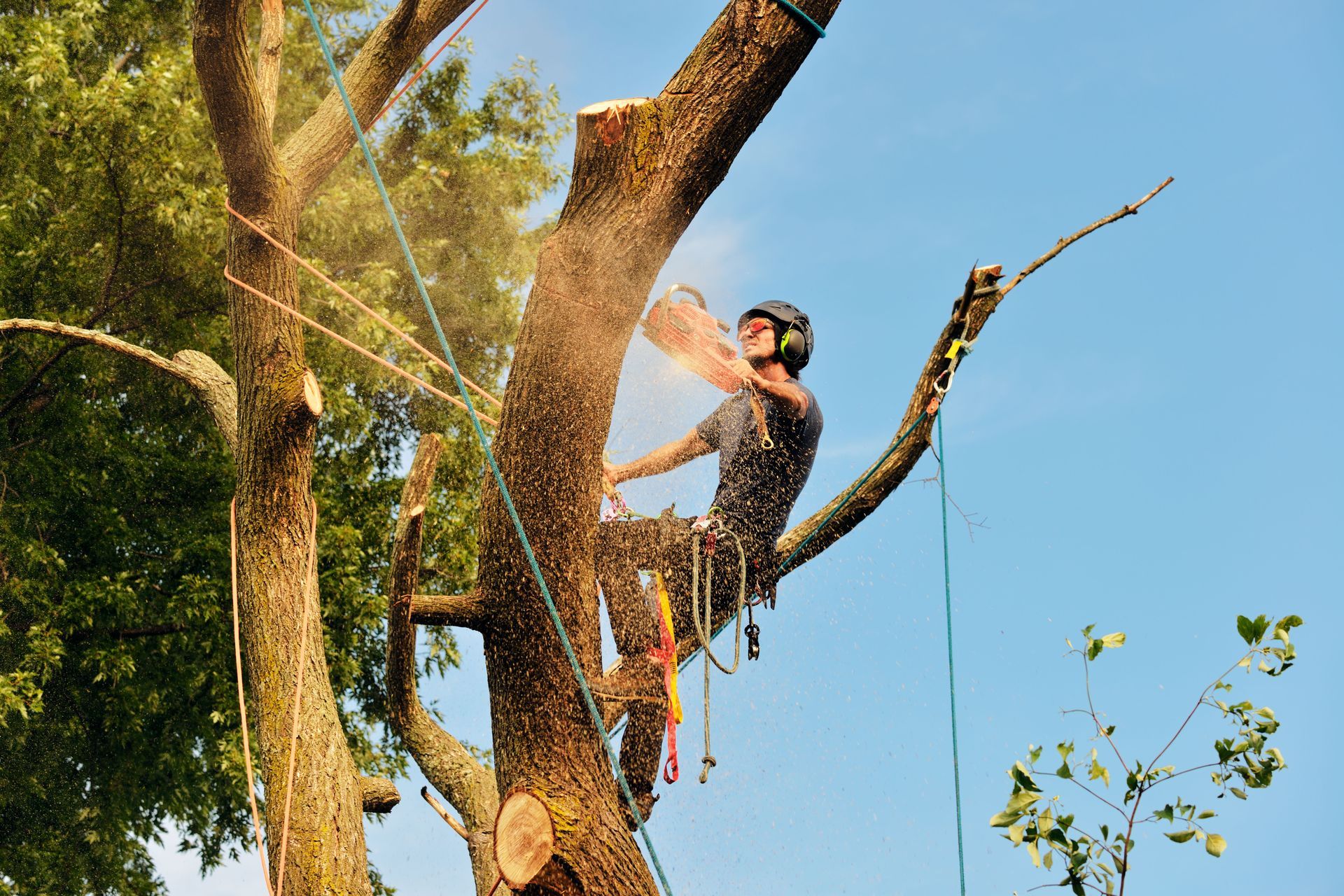
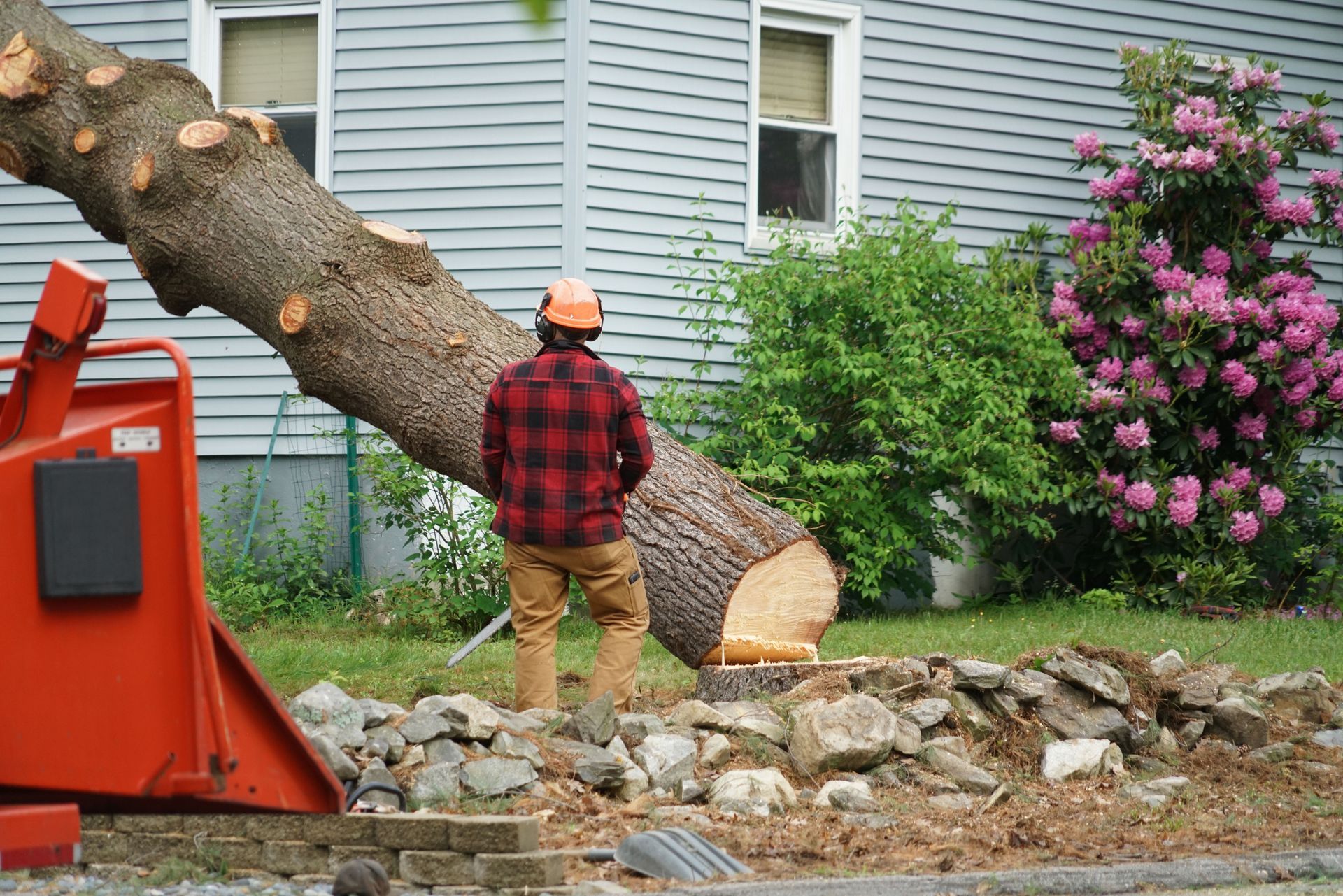
Safe removal relies on controlled dismantling techniques and specialized equipment designed to protect surrounding areas. Limbs are lowered carefully instead of dropped, while crane-assisted methods allow for precision in confined spaces or when working with massive trees. Arborists also consider environmental impacts by recommending selective clearing, replanting strategies, or habitat-conscious approaches whenever possible. Navigating municipal regulations and permit requirements is another essential part of professional service, preventing legal complications and project delays. Many crews further support sustainability efforts by recycling removed trees into mulch or wood chips that nourish soil and reduce landfill waste.
3. Eliminate Hazards With Stump Grinding and Removal
Leftover stumps present tripping hazards, attract pests, and disrupt landscaping plans, making prompt attention an important part of post-removal care. Grinding reduces stumps below ground level while allowing roots to decompose naturally, whereas full removal extracts the entire root system to prevent regrowth and prepare sites for construction or replanting. Each approach fits different budgets and goals, and consulting local tree services helps property owners choose the most practical solution for their specific situation.
Stump grinding remains popular because it minimizes lawn disruption, generates reusable mulch, and typically costs less than full extraction. Decaying stumps often harbor termites, ants, and beetles that may migrate to healthy trees or wooden structures, so timely action protects both landscapes and buildings. Financial considerations play a role as well, since grinding involves fewer labor-intensive steps while full removal may offer greater long-term value when redevelopment is planned. After either process, restoring the site through regrading, reseeding grass, or installing decorative features maintains curb appeal and ensures the surrounding area remains cohesive and functional.
4. Strengthen Trees With Cabling and Bracing
Cabling and bracing systems reinforce weak limbs or trunks, extending the life of mature or high-value trees that might otherwise require removal. These supports redistribute stress, reduce the likelihood of splitting, and preserve natural form while enhancing structural integrity. Proper hardware selection is crucial, since different tree species and defect patterns demand tailored solutions that accommodate future growth rather than restrict it.
Storm-prone areas benefit greatly from proactive reinforcement, as high winds and saturated soils often exploit existing weaknesses. Scheduled inspections allow arborists to adjust tension, reposition braces, and monitor overall health as trees mature. Cabling frequently works best when paired with pruning and disease management, forming a comprehensive strategy that improves safety while sustaining visual appeal. Thoughtful integration of these services delivers resilient landscapes capable of weathering seasonal extremes without sacrificing long-term beauty.
5. Preserve Vitality Through Tree Health and Pest Management
Maintaining tree vitality requires consistent monitoring, early diagnosis, and targeted treatments that prevent small problems from escalating into irreversible decline. Arborists inspect bark, foliage, roots, and soil conditions to identify fungal infections, nutrient deficiencies, and early signs of decay before symptoms spread to neighboring plants. Many property owners rely on local tree services to conduct recurring health evaluations that protect long-term landscape investments while avoiding unnecessary removals.
Pest management plays an equally important role, as borers, aphids, and scale insects weaken trees and stunt growth when left unchecked. Integrated approaches that combine preventive practices with selective treatments protect beneficial organisms while keeping infestations under control. Soil testing further supports tree health by guiding fertilization strategies that optimize pH balance and nutrient availability. Organic treatment options continue to gain popularity for homeowners seeking environmentally responsible solutions that protect surrounding vegetation and wildlife. Routine assessments ensure emerging threats are addressed quickly, preserving appearance, stability, and overall property value.
6. Respond Quickly With Emergency Tree Services
Storm damage, fallen limbs, and blocked access points require immediate action to prevent injuries or further destruction. Emergency crews equipped for rapid deployment stabilize dangerous situations, restore accessibility, and work around the clock when severe weather strikes. Residents often depend on local tree services during these moments, knowing professional response limits long-term damage and accelerates recovery.
Insurance navigation becomes another critical component of emergency situations, as insured providers document conditions and assist with claim processes while protecting property owners from liability concerns. Safety always comes first, with crews securing unstable trees before performing cosmetic cleanup or long-term restoration. Advanced equipment such as cranes and rigging systems allows technicians to manage complex removals efficiently while avoiding secondary damage. Preventive maintenance remains the best defense against emergencies, as regular trimming, inspections, and reinforcement reduce the likelihood of catastrophic failures when storms arrive.
Investing in professional tree care supports safety, appearance, and long-term landscape health for homes and businesses alike. From pruning and stump removal to emergency response and disease prevention, the right partner makes all the difference in maintaining thriving outdoor spaces. Property owners across Central Arkansas continue to rely on
local tree services that provide dependable results and 24/7 emergency availability when unexpected problems arise.
At Jim’s Tree Service, Inc, we proudly serve Central Arkansas with comprehensive residential and commercial solutions, including crane-assisted removals, hazardous tree work, trimming, pruning, stump removal, and additional specialty services. We offer free estimates and respond 24/7 when storms strike because your safety and property matter to us. Call today to schedule an on-site evaluation and let our experienced team help protect and enhance your landscape.