October 2, 2026
A yard can have neatly kept grass and attractive planting beds yet still feel crowded or unfinished. Often, the difference lies overhead. Trees determine where sunlight falls, how open the space feels, and which parts of the property draw the eye. Their condition also affects whether a yard feels welcoming or weighed down by dead branches and neglected growth.
Good tree care is therefore about more than keeping branches away from a roof. Professional tree service considers the shape and condition of each tree alongside the way people use the space beneath it. A broad canopy that anchors a yard deserves a different response from a damaged tree crowding a house. The most attractive result starts with understanding what a tree contributes before deciding what work it needs.
Giving the Yard a Clearer Shape
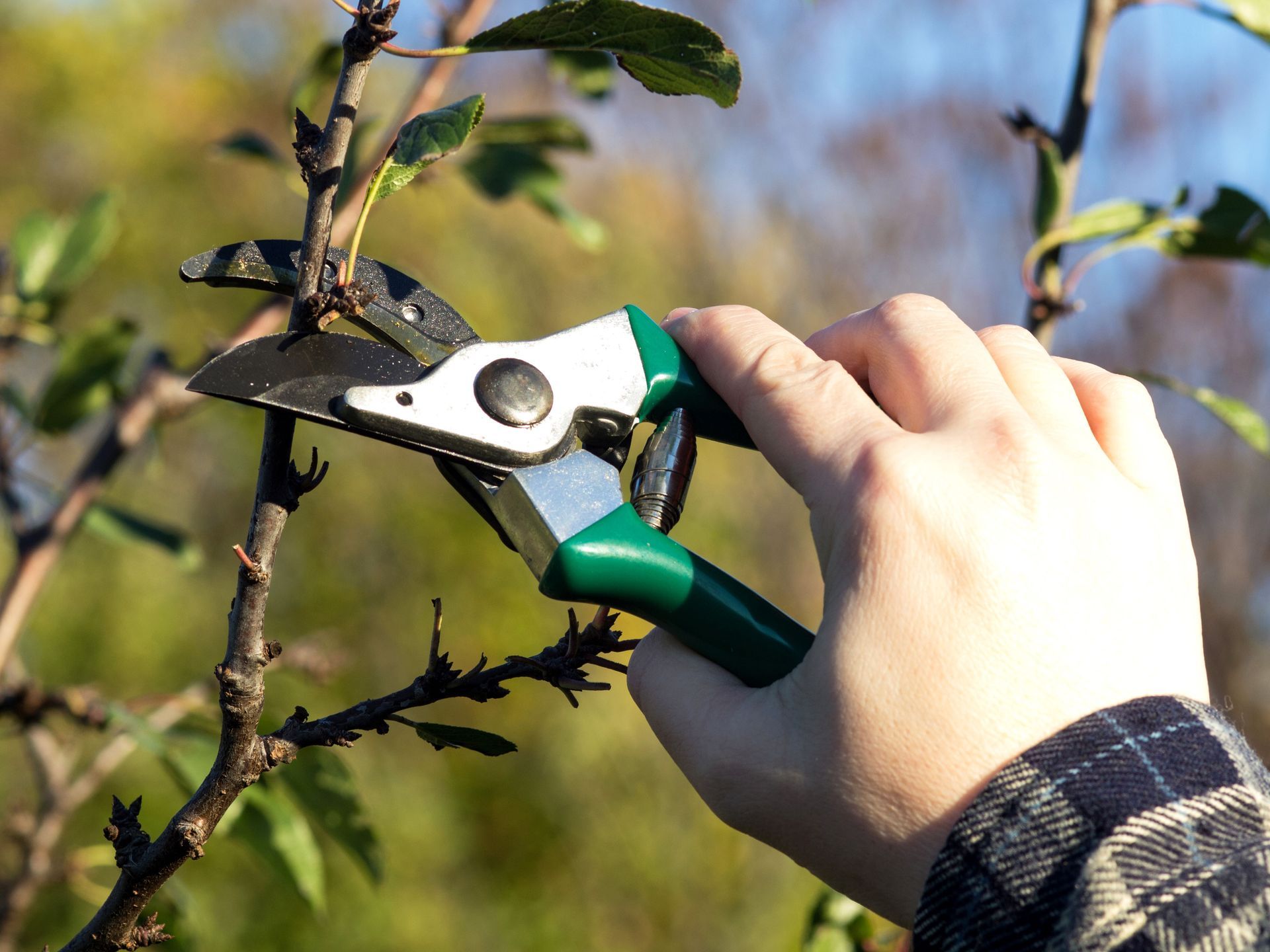
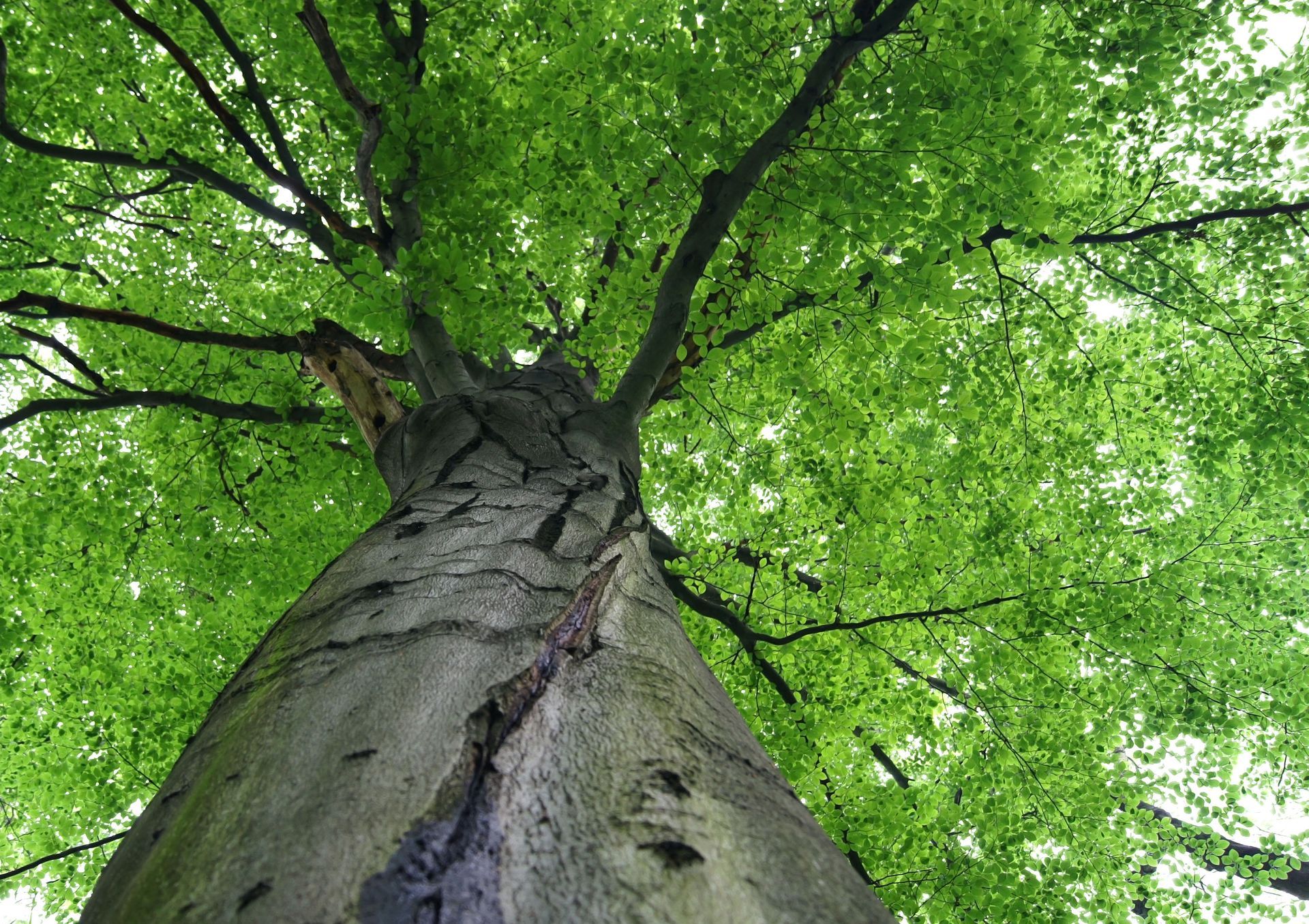
A mature tree can be the feature that makes a yard memorable. Its canopy provides a sense of scale, frames views from the house, and creates contrast with lower plants. Yet branches that have grown across a path or close to a structure can make the same space feel constrained. Trimming selected growth can restore a clearer outline without stripping away the character that made the tree valuable in the first place.
The placement of a branch matters as much as its size. Growth over a frequently used area may change how people move through the yard, while low or crowded limbs can obscure the trunk and the space beneath the canopy. A branch that provides welcome shade elsewhere might be better left in place, even if another needs attention. A professional can consider the tree's natural form and how the surrounding property is used before recommending cuts. That broader view helps keep the yard visually open while allowing the tree to remain an established part of it.
Keeping the Canopy in Balance
Pruning changes more than a tree's appearance on the day of the work. Removing branches changes its outline and the amount of foliage it retains, which is why an aggressive cut may leave a canopy looking sparse. Thoughtful tree service considers both the immediate goal and how much growth the tree can reasonably lose at one time. A lighter, selective approach can resolve a specific concern while preserving the fullness that gives the yard shade and depth.
According to Fixr, trimming during one visit generally should affect no more than about a quarter of a tree's canopy. That guideline puts the visual effect of pruning in perspective: taking too much at once can leave gaps where a full crown once framed the yard. A particular tree may need far less work, depending on its condition and the reason for pruning. By retaining enough foliage and natural shape, selective cuts can address a concern without making the tree look out of place beside the rest of the property.
Noticing When a Tree Needs Attention
A tree can change gradually enough that its condition becomes easy to overlook. A thinning canopy, discolored leaves, peeling bark, or repeated branch loss may raise questions about its health or stability. None of those observations alone tells a homeowner exactly what is wrong, and a tree that looks untidy does not necessarily need to be removed. The tree's position near a home or a regularly used part of the yard can also affect how urgently a concern should be evaluated. A tree health assessment can provide a closer look before a decision is made about pruning or removal.
Careful assessment contributes to a yard's appearance in a less obvious way. Understanding a problem can help avoid unnecessary changes to a healthy tree while drawing attention to one that is struggling. If branches are dead or damaged, their position matters to both the tree's appearance and how the nearby space is used. A closer evaluation connects those observations to a sensible next step instead of treating every imperfect-looking tree the same way.
Recognizing When Removal Makes Sense
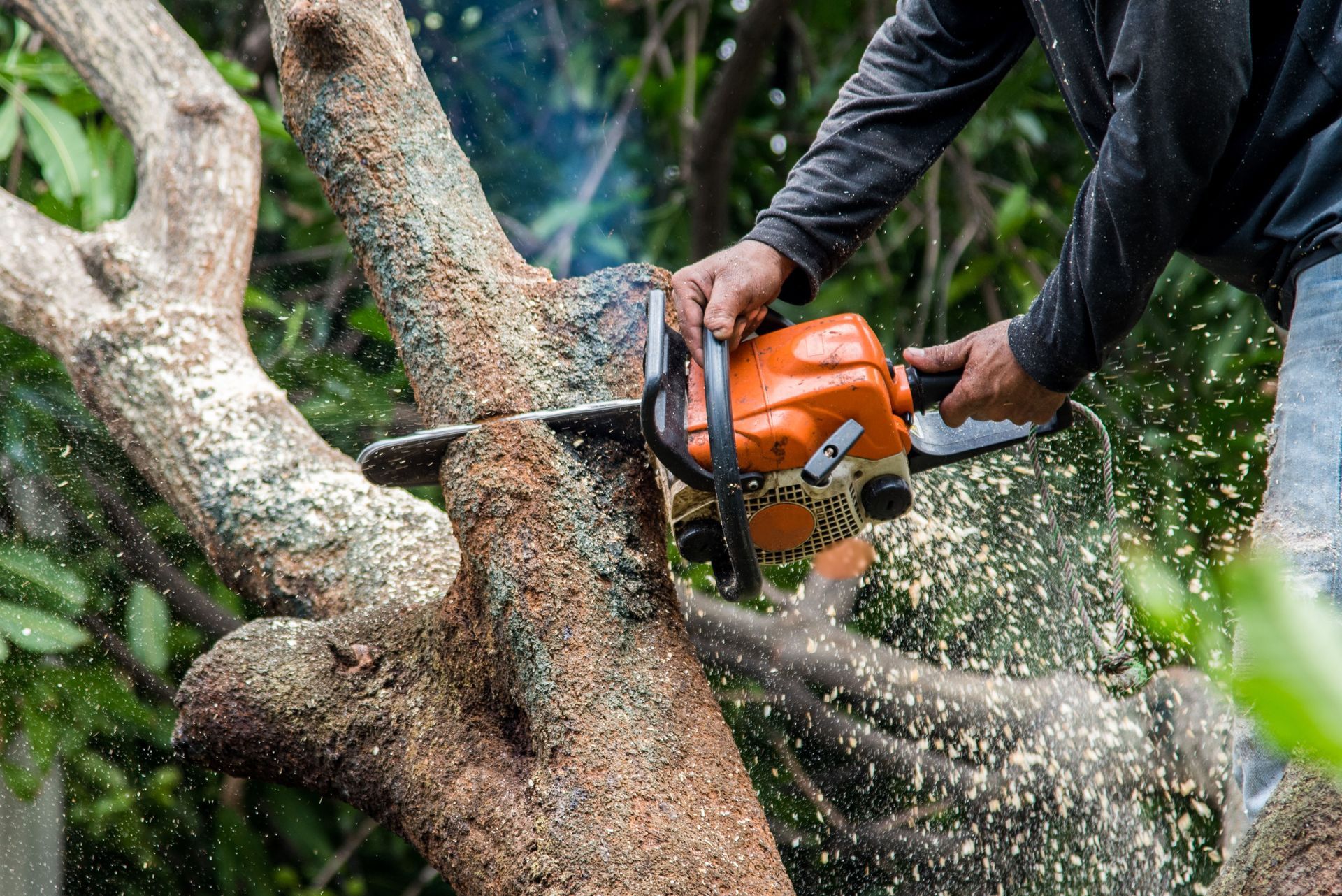
Not every tree can remain a lasting feature of the yard. A dead or badly compromised tree may draw attention for the wrong reasons, and its condition may also affect people, structures, or other parts of the property nearby. In other cases, a tree may stand where planned construction requires space. Taking out a mature tree changes views from the house as well as the amount of shade reaching the ground. Removal changes the yard substantially, so it calls for an assessment of the tree and its surroundings rather than a decision based on appearance alone.
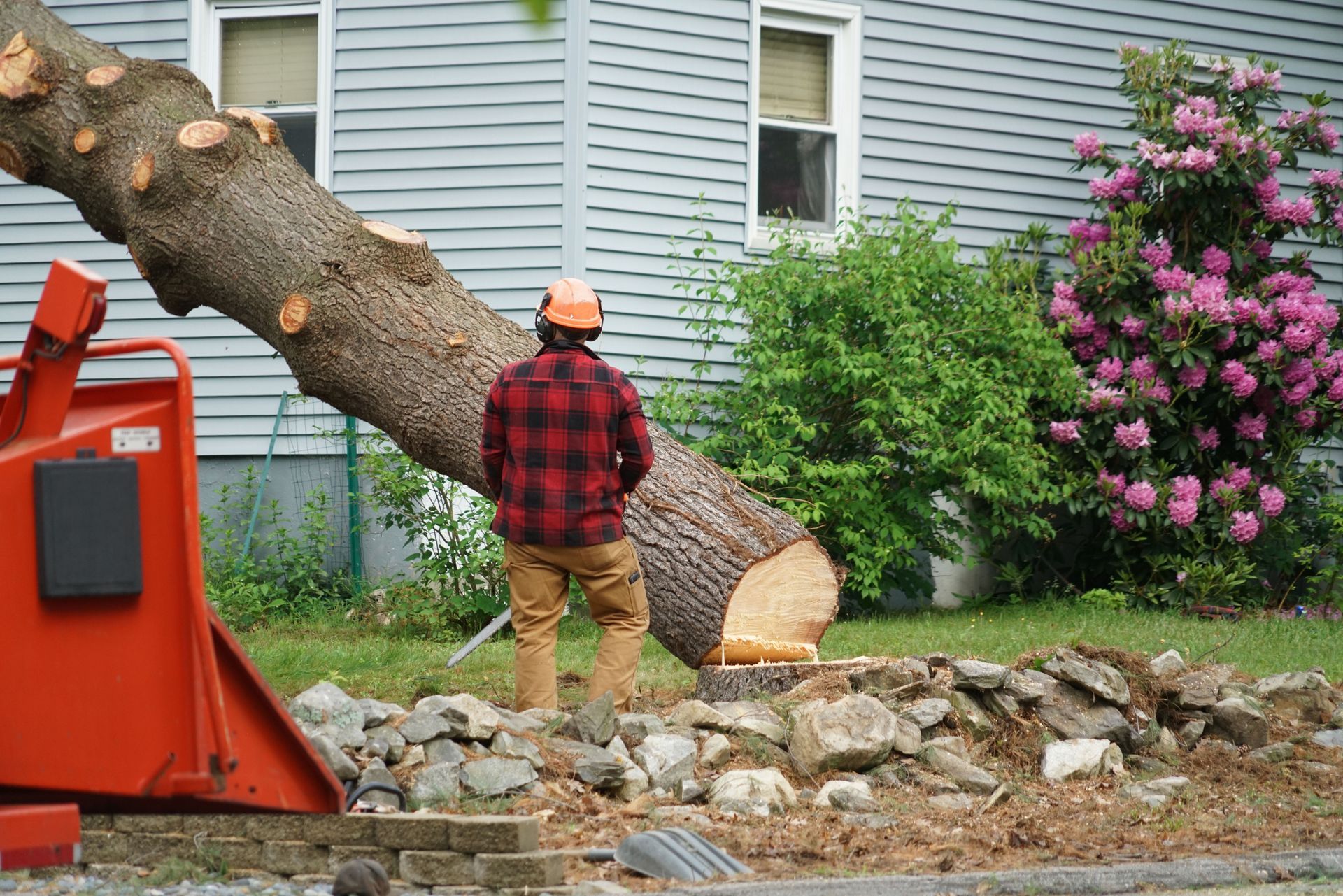
Residential tree service may involve removing a tree close to a home or in an area with limited access. The way that work is planned matters because the surrounding yard is part of what homeowners hope to preserve. For a large tree or a difficult location, crane assisted removal can be one option for lifting sections away instead of moving them across the ground. That approach can limit disturbance to the space around the tree, even though losing the canopy will inevitably change how the yard looks.
Dealing With What Remains Below
After a tree comes down, the stump can keep the space from feeling complete. It may interrupt the open area left behind or remain conspicuous beside paths and other established features. Stump grinding or removal addresses that remnant, allowing homeowners to see the yard without the visual break left by the cut trunk. The appropriate approach depends on the stump and what the property owner wants to do with that part of the yard.
The yard's appearance afterward also depends on what happens to the removed wood. Some homeowners want the tree and debris taken away, while others prefer to keep the wood for firewood. Either choice changes what remains visible after removal, so the preference is worth discussing before work begins. That conversation can also clarify whether tree service should end with the tree's removal or include stump work.
Thinking Beyond the Day of the Work
A newly pruned tree may look more open at first, but its relationship to the yard will continue to change as it grows. Branches near a roof or above a frequently used space may need attention without losing the shade they provide elsewhere. A consultation can bring those competing concerns together before cuts are made. It also gives homeowners a chance to explain which views and outdoor areas matter most to them. Those details make the difference between simply reducing a canopy and shaping it to suit the property over time.
Removal has consequences beyond the day a tree comes down. Without its canopy, sunlight reaches different parts of the yard, and familiar views from the house may change. When removal is necessary because of a tree's condition, understanding those effects still helps a homeowner plan for the space left behind. Professional tree service is most useful when the decision reflects both the tree's condition and what its presence has meant to the property. Thinking beyond the immediate work helps preserve what people value about the yard as its trees change.
The character of a yard often comes from trees that have room to grow and receive attention when their condition changes. Careful decisions can preserve what works and make space when a tree can no longer remain. At Jim's Tree Service, Inc, we can assess your trees and carry out work suited to their condition and place on the property. Contact us to talk through what your yard may need.