November 3, 2026
Caring for mature woody plants demands rigorous technical precision, extensive horticultural training, and an uncompromising approach to overall work-site safety. Homeowners frequently admire tall oak, pine, or maple specimens across their properties, yet managing these towering organisms requires specialized capabilities beyond typical yard care routines. Certified arborists evaluate structural balance, disease resistance, and canopy weight distribution before making a single cut. Navigating elevated limbs safely involves specialized rigging, personal protective equipment, and deep biological insight. Understanding how arboricultural crews execute maintenance operations helps property owners appreciate the comprehensive scientific planning behind every single project completed by seasoned tree care authorities.
Assessing Overall Canopy Health Before Cutting
Initial evaluations require an arborist to examine bark integrity, fungal growth patterns, root flare stability, and upper branch density. Technicians scrutinize primary scaffold limbs for signs of internal rot, hairline cracks, or insect infestations that compromise structural strength. Assessing these critical biological factors dictates whether standard crown thinning, structural clearance, or major deadwood removal is truly appropriate. Crews determine precise access paths and inspect surrounding ground conditions for hidden hazards like underground utilities or septic fields. Professional tree trimming services prioritize this preliminary diagnostics phase to map out every subsequent operational motion across the property.
Preparing Advanced Climbing Gear and Rigging
Ascending massive canopies requires static ropes, friction hitches, mechanical lifts, and heavy-duty harnesses rated for industrial weight loads. Technicians meticulously inspect all carabiners, lanyards, and helmets prior to setting foot off solid terrain to prevent disastrous equipment failures aloft. Ground workers organize tension lines and lowering pulleys at the trunk base to maintain full control over heavy severed timber during descent. By coordinating safety redundancies across every anchor station, operators ascend confidently without placing excessive physical stress upon fragile wood. Modern tree trimming services utilize aerial lift trucks whenever wide vehicular access allows optimal operational positioning.
Evaluating Trunk Diameter and Overall Height
Calculating physical proportions accurately guides mechanical strategy, crew sizes, and crane requirements during extensive residential or municipal arboricultural tasks. According to Fixr, large trees measure between 60 and 100 feet tall, and those with a diameter greater than 20 inches are also considered large because they require more labor to remove. Managing such enormous vegetation demands higher-capacity lowering ropes and larger chainsaws compared to routine ornamental shrub maintenance. Specialists measure crown spread alongside trunk girth to gauge potential branch swing trajectories near valuable residential architecture. High-altitude operations necessitate extraordinary physical endurance from technicians working suspended amidst buffeting winds.
Removing Hazardous Deadwood Through Strategic Cuts
Brittle branches pose serious safety risks to pedestrians, roofing, and parked vehicles situated directly beneath expansive neighborhood trees. Decay weakens cell walls, turning heavy limbs into unpredictable hazards that can fall without warning during sudden weather events. Climbers isolate these hazardous segments and sever them systematically using three-cut methods that prevent tearing healthy bark tissues. By cutting outward toward branch collars without gouging parent trunks, operators promote rapid wound compartmentalization naturally across the bark. Dedicated tree trimming services methodically extract structural hazards before attempting any cosmetic crown balancing or light canopy shaping.
Thinning Dense Canopies for Better Airflow
Excessively thick foliage blocks cooling breezes and creates dark, humid microclimates that encourage fungal spores to flourish rapidly. Specialists strategically prune interior lateral stems to open dense foliage clusters, allowing air to circulate freely through previously stagnant areas. Enhancing natural breeze penetration dramatically reduces wind resistance during severe regional storms, protecting tall trunks against unexpected blowdown incidents. Sunlight reaches shaded interior limbs and underlying lawn grasses once selective thinning clears obstructed pathways across the crown. Arborists never remove more than one-quarter of live canopy volume in one growing season to avoid shock.
Elevating Lower Branches Away From Structures
Low-hanging vegetation often scratches residential siding, disrupts street traffic visibility, and invites nuisance wildlife onto roof shingles. Technicians lift lower canopy levels by methodically severing select secondary limbs directly at their respective natural junctions. Establishing suitable clearance over driveways, municipal sidewalks, and utility lines prevents recurring interference with passing transport vans and pedestrians. Pruning specialists cut precisely outside the branch bark ridge to ensure natural protective chemicals seal vulnerable tissues without artificial paint. Utilizing reputable tree trimming services keeps critical sightlines crystal clear while maintaining appealing vertical proportions throughout landscaped yard environments.
Balancing Structural Weight Across Massive Limbs
Asymmetrical growth causes severe leverage imbalances that can split mature tree crotches apart during freezing winter ice storms. Specialists identify overextended limbs and execute subtle reduction cuts to relieve heavy mechanical strain on stressed internal wood fibers. Carefully shortening heavy limb tips redirects nutritional energy inward, reinforcing central trunk stability and fostering resilient lateral branching networks. Crew members assess wind load physics from various ground vantage points to ensure the finished canopy silhouette appears naturally proportioned. This calculated weight distribution prevents catastrophic structural failures while preserving natural shade coverage for residential properties.
Clearing Power Lines With Specialized Tools
Working in close proximity to high-voltage utility lines requires exceptional caution, dielectric-insulated poles, and specialized electrical hazard certifications. Energized utility conductors can arc toward conductive materials, making amateur pruning around utility easements an extraordinarily dangerous gamble. Trained professionals maintain strict minimum approach boundaries, carefully tying back limbs before making precise cuts near live overhead wires. Specially designed fiberglass pole saws allow workers to slice through problematic growth without conducting high-voltage electrical currents to the ground. Utilizing qualified tree trimming services for utility line clearance prevents catastrophic neighborhood blackouts and ensures local residential safety.
Directing Branch Descents Through Rigging Systems
Lowering multi-hundred-pound timber segments safely within cramped residential backyards requires intricate ropes, pulleys, and friction control devices. Ground handlers operate friction brakes wrapped securely around trunk bases to absorb enormous kinetic energy generated by falling timber chunks. Arborists aloft coordinate vocal commands with ground partners, synchronizing release sequences to avoid smashing garden beds or stone pathways. Rigging lines hold each heavy branch suspended midair until handlers steer it smoothly into dedicated drop zones. This mechanical choreography allows crews to dismantle massive canopies within inches of expensive sunrooms, glass windows, and perimeter fences.
Sanitizing Pruning Equipment Between Delicate Operations
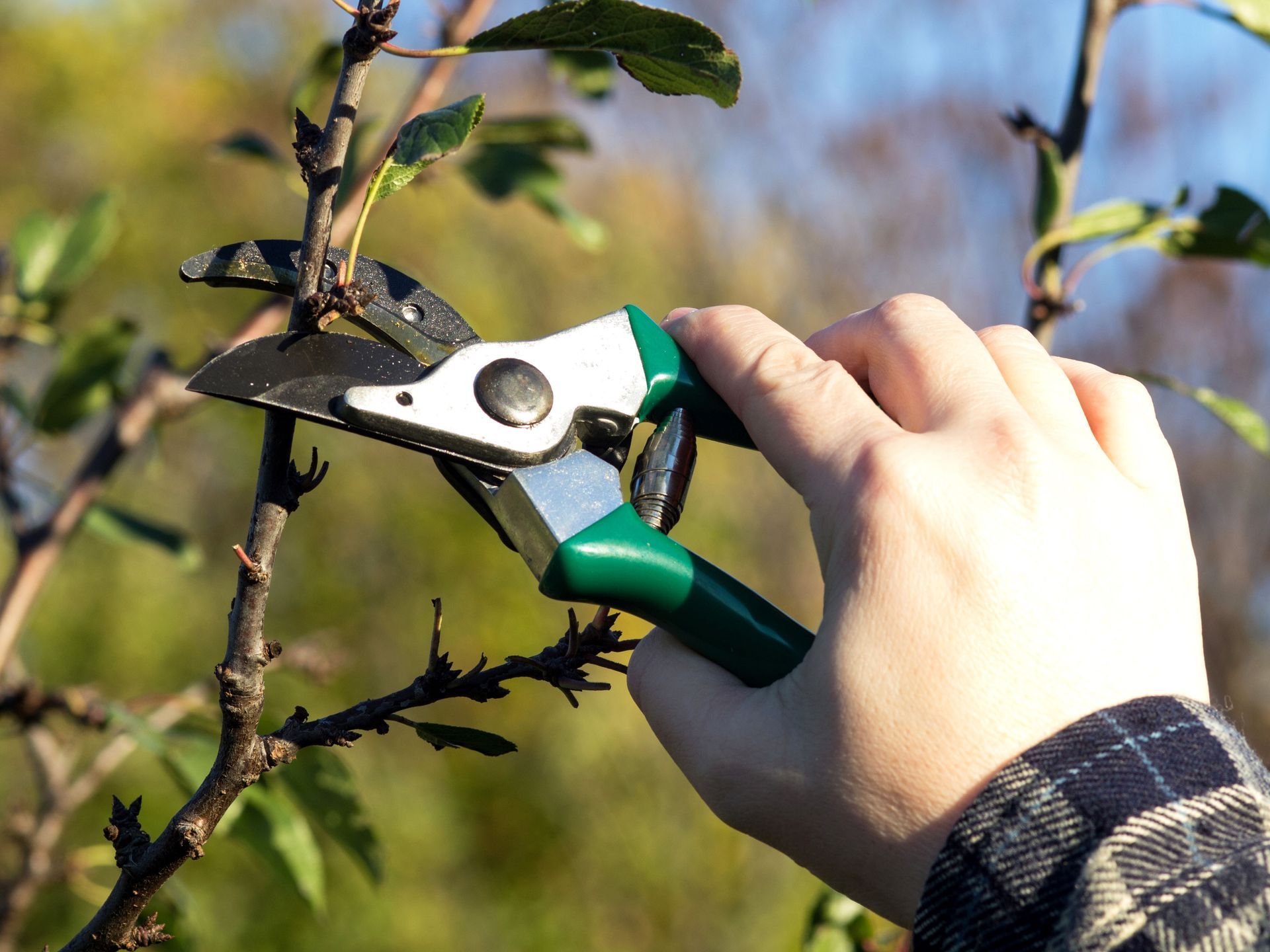
Pathogenic bacteria, fungal spores, and viral infections easily hitchhike between different plant specimens on unsterilized cutting teeth and saw blades. Conscientious tree workers sanitize their pruning shears, pole saws, and chain loops utilizing specialized chemical disinfectant solutions between trees. Preventing the inadvertent transmission of deadly conditions like oak wilt or Dutch elm disease protects vulnerable urban forests. Technicians carefully watch for discolored sap rings or telltale vascular staining inside every single fresh cut they make. Professional tree trimming services observe strict biosecurity protocols, recognizing that sharp blades must always remain clinically clean tools.
Processing Fallen Debris With Industrial Chippers
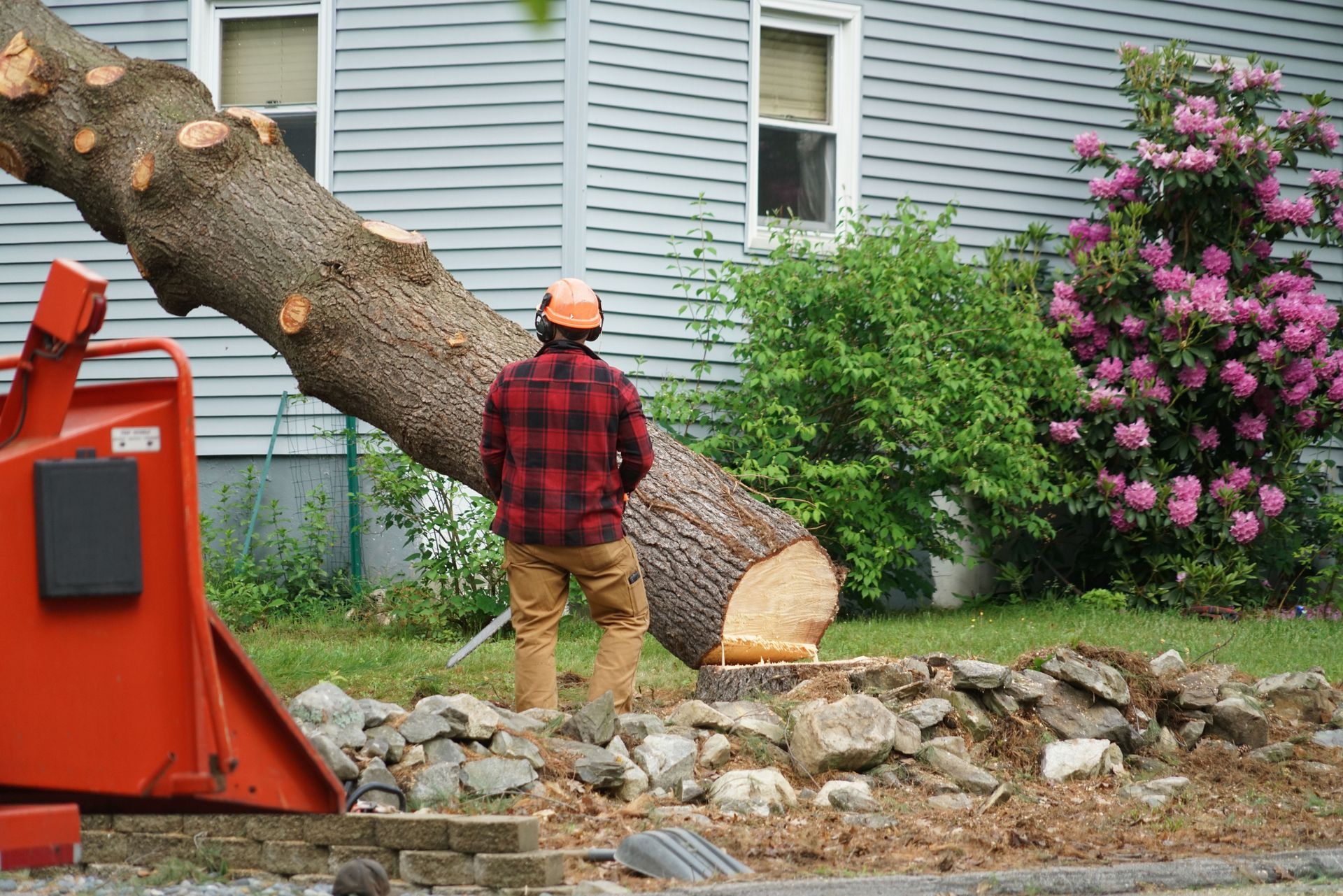
Once branches touch the turf, ground personnel swiftly process foliage, twigs, and heavy trunk sections through high-horsepower wood chippers. Technicians guide branch butts forward into self-feeding hydraulic rollers, transforming sprawling yard waste into clean, reusable organic wood chips. This rigorous processing clears active work zones, reducing trip hazards and keeping neighborhood roadways open for daily vehicle transit. Heavy logs are bucked into portable firewood rounds or loaded directly onto hydraulic trailers using compact articulated loaders. Efficient debris processing leaves residential yards looking immaculately raked, swept, and beautifully manicured following intense arboricultural maintenance.
Proper arboreal maintenance is an ongoing investment that safeguards both family safety and significant long-term residential real estate value. Understanding how experts navigate dizzying heights, structural mechanics, and plant biology underscores the complexity behind every successful canopy adjustment. Rather than attempting dangerous DIY tree cutting, wise property owners lean on certified specialists equipped with tested safety gear. Routine care protects against storm destruction, controls fungal spread, and ensures your prized residential trees endure for future generations. Scheduling routine maintenance preserves majestic, vibrant trees that continuously shade, beautify, and enrich your entire neighborhood outdoor living environment.
Are you seeking reliable tree trimming services in Central Arkansas? Look no further than the professionals at Jim's Tree Service, Inc! Contact us today to schedule your next service appointment.