August 2, 2026
In the wake of severe, unexpected weather events, a professional local tree service becomes an invaluable partner in managing the complex and often dangerous aftermath. The destructive impact of intense wind, heavy ice, driving rain, or lightning on residential and commercial landscapes can range from minor branch breakage to severe trunk splits and total uprooting. Skilled arborists step in not only to mitigate immediate structural hazards, but also to evaluate, treat, and preserve the long-term health of surviving foliage. Tree care specialists play an essential role in maintaining safety, property value, and environmental beauty across urban and suburban neighborhoods. Understanding their systematic operational process helps property owners appreciate the deep technical expertise and meticulous care required to handle hazardous trees safely.
Severe weather events have grown increasingly frequent and severe, highlighting the critical need for a dependable local tree service during crisis situations. Storm-damaged trees can pose immediate, life-threatening safety risks, such as heavy hanging limbs threatening rooflines, cracked trunks resting against homes, or uprooted specimens tangled in primary utility lines. The rapid, organized response from certified tree professionals ensures these urgent threats are addressed systematically before injuries or additional property losses occur. Furthermore, professional arborists assist homeowners throughout the property insurance claims process by offering detailed damage documentation and expert structural assessments. As we explore their detailed methodologies, it becomes evident that professional tree services are indispensable for protecting property, maintaining public safety, and restoring storm-impacted landscapes.
Assessment and Initial Evaluation
The initial site inspection represents the most critical first step in evaluating the true extent of storm damage across a property. Certified arborists conduct comprehensive visual inspections to identify immediate hazards, evaluate structural instabilities, and categorize trees based on urgency. During this phase, crew leaders survey the grounds for hidden dangers, including snapped overhead limbs (widowmakers), shifting root plates, and leaning trunks that threaten structures. Gathering this crucial diagnostic data allows the response team to establish a prioritized action plan tailored to the site's unique conditions.
Remaining vigilant for hidden structural hazards is essential during the initial site walkthrough. Arborists carefully inspect the canopy and surrounding ground for energized electrical lines, cracked lead branches, and compromised root anchors. Before any cutting begins, safety perimeters are established to safeguard property owners, emergency crews, and bystanders. Through this meticulous attention to detail, a qualified local tree service establishes a secure workspace, laying a reliable foundation for all subsequent removal and structural mitigation efforts.
Accurately identifying the affected tree species is a pivotal aspect of diagnosing health status and structural recovery potential after a storm. Certain species, such as fast-growing softwoods, possess weak wood architecture that makes them far more susceptible to wind shear and branch failure. Arborists leverage their extensive botanical knowledge to evaluate species-specific traits, determining whether a tree possesses the structural resilience necessary to heal over time. This specialized understanding prevents premature removals while ensuring severely compromised specimens are identified early.
Evaluating baseline health involves examining visible indicators of trauma alongside pre-existing structural flaws, such as heart rot, fungal growth, or co-dominant stems. Trees already weakened by decay or insect infestation often suffer severe internal damage during storms, even if the exterior bark appears intact. Arborists evaluate whether a damaged specimen can recover naturally or through targeted crown restoration pruning. This diagnostic approach guarantees that post-storm interventions prioritize long-term landscape safety and ecological sustainability.
Determining the structural stability of storm-damaged trees requires advanced diagnostic techniques and structural analysis. Arborists inspect the trunk, main scaffold branches, and root flare for internal cracks, hollows, or torsional twists caused by high winds. When visual assessments reveal suspicious swelling or bark separation, technicians employ specialized diagnostic tools, such as resistographs or sonic tomography, to measure internal wood density without harming the tree. Accurate structural analysis dictates whether a tree can be stabilized using support cables and bracing or if complete removal is necessary.
Understanding both visible and concealed structural compromises protects homes from delayed failures. A tree that appears upright immediately after a storm may have suffered severe subterranean root breakage, making it prone to sudden collapse during subsequent rain or wind events. By thoroughly evaluating the internal and external health of damaged trees, arborists provide property owners with definitive answers regarding the safest path forward.
Detailed reporting is an essential service provided by tree professionals following severe weather. Arborists document every damaged tree with photographic evidence, species identification, hazard ratings, and itemized repair or removal strategies. This comprehensive documentation serves as a vital record for insurance adjusters, helping homeowners process claims quickly and accurately. Clear, written evaluations ensure property owners fully understand the scope of work required to secure their land.
Accurate reporting removes guesswork for homeowners navigating the chaotic aftermath of a storm. According to Today's Homeowner, if over 25% of branches are damaged, the tree needs to be removed. Including established industry standards within formal evaluation reports helps clients make confident, informed decisions regarding removal versus preservation. Transparent reporting ensures that every recommended action aligns with recognized safety standards and professional arboricultural best practices.
Preparation and Safety Measures
Worker safety is the top priority for any reputable local tree service operating in storm-impacted zones. Arborists face severe hazards on storm sites, including unstable trees under intense mechanical tension, slick climbing conditions, overhead power lines, and falling debris. Crew members wear full personal protective equipment (PPE), including steel-toe boots, chainsaw-resistant chaps, eye protection, and certified hard hats. Comprehensive daily safety briefings ensure every worker understands their role and the unique hazards present on the property.
Establishing restricted work zones is equally vital for protecting property owners and passersby. Before starting machinery, crews establish clear safety perimeters using high-visibility cones, caution tape, and warning signs. These safety zones account for the drop radius of heavy limbs and the operational footprint of heavy machinery like cranes and bucket trucks. Controlling access to hazardous work zones prevents bystander injuries and allows arborists to focus completely on executing complex aerial operations safely.
Tree Removal and Restoration Process
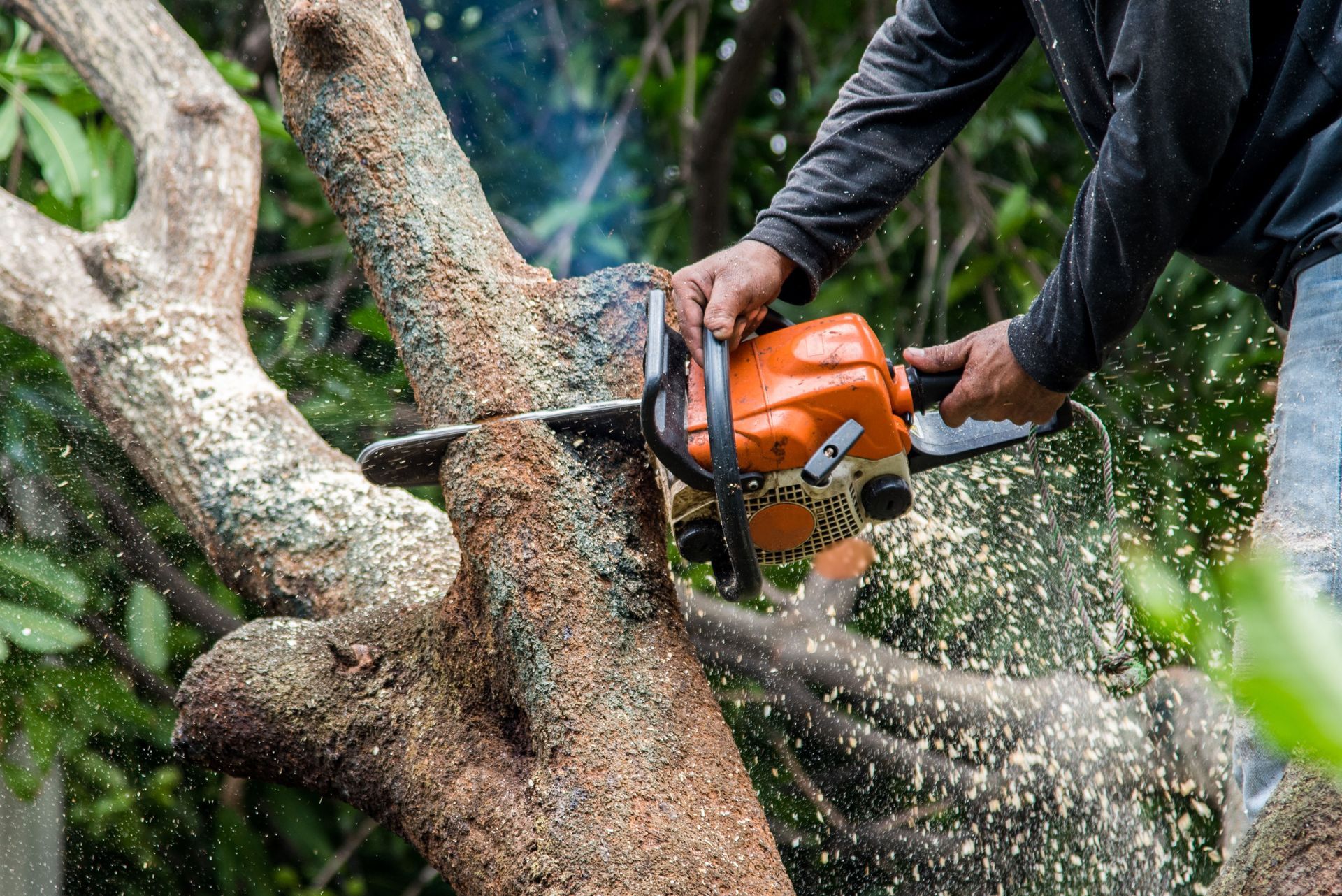
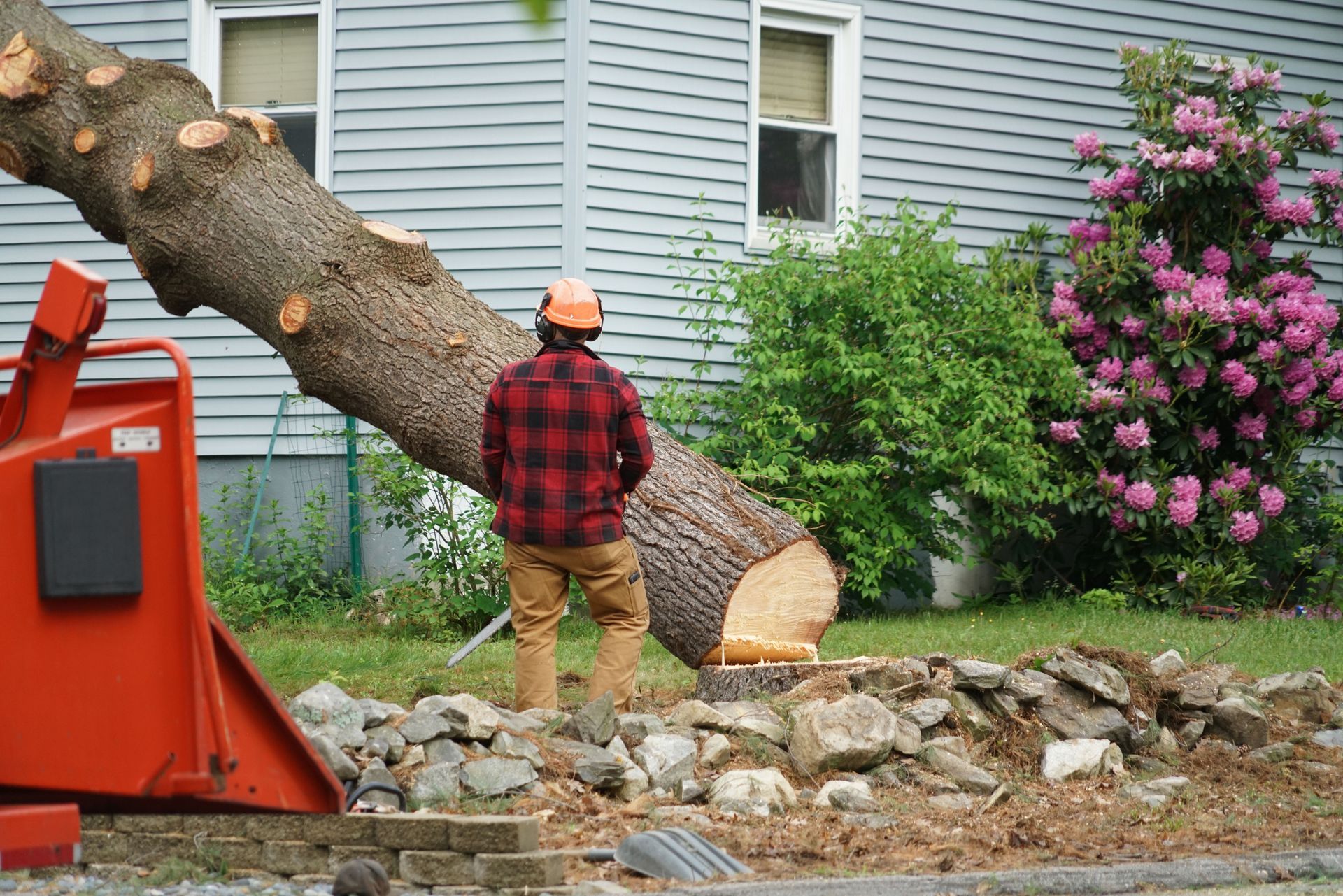
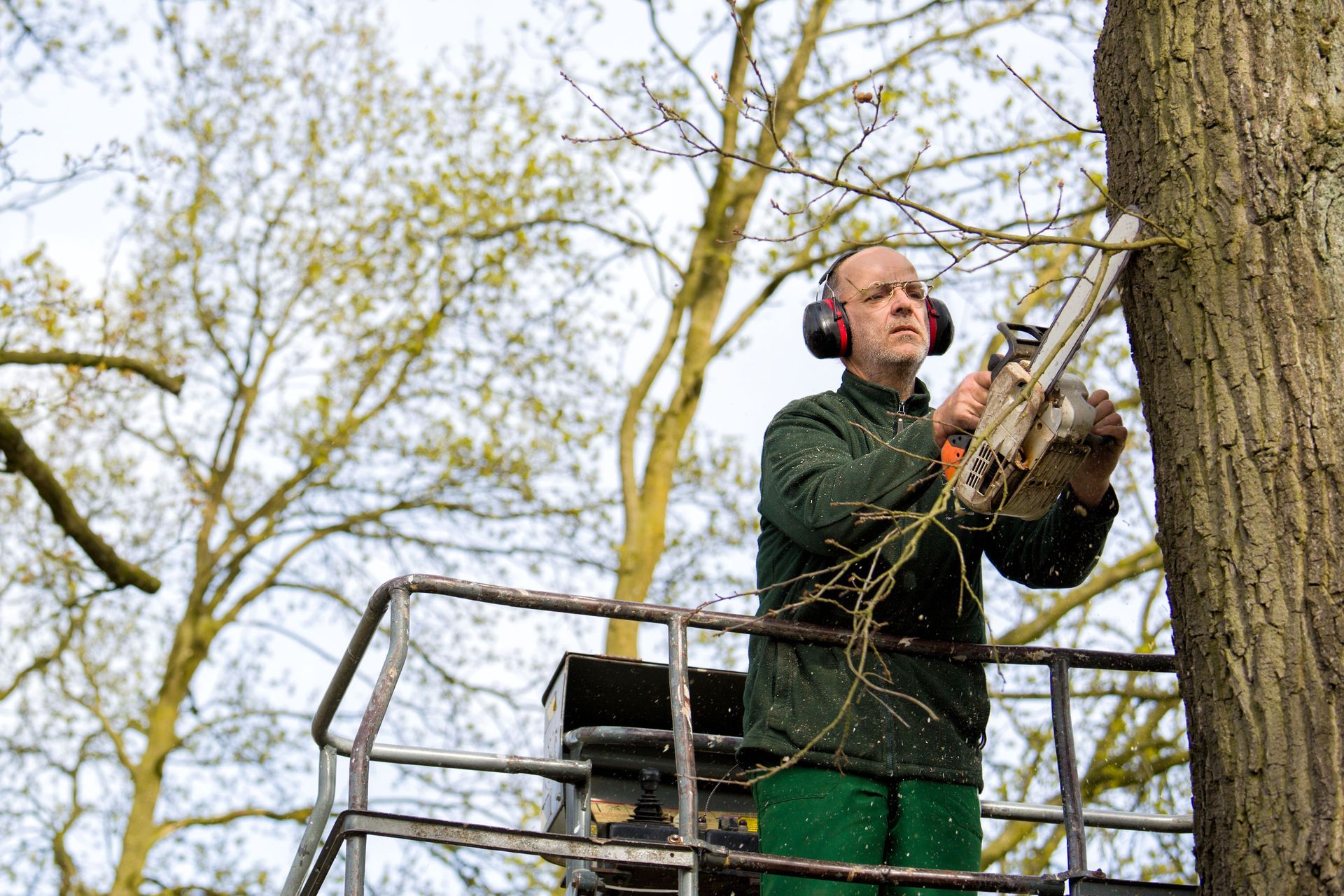
When a tree cannot be saved, arborists select a removal technique tailored to the tree's size, location, lean, and proximity to surrounding structures. In tight residential settings, sectional dismantling is standard practice. Climbers or aerial lift operators systematically cut and lower the tree piece by piece, using advanced rigging blocks and friction lowering devices to control every falling segment. Controlled directional felling is reserved for open spaces where trees can fall naturally without endangering property.
Enlisting the help of a professional local tree service after a major weather event is essential for securing your property, preventing secondary damage, and restoring peace of mind. From initial hazard assessments and structural diagnostics to high-risk tree removals and detailed site cleanup, certified arborists possess the training, machinery, and technical expertise required to manage storm damage safely. Partnering with experienced tree care professionals ensures that compromised trees are handled with precision, protecting your home, family, and surrounding landscape.
When severe weather impacts your property and leaves behind dangerous limbs or uprooted trees, trust the prompt, reliable professionals at Jim's Tree Service, Inc. Their team of certified arborists and experienced technicians is dedicated to delivering safe emergency response, expert hazard evaluations, and comprehensive tree care services year-round. Don't leave your property's safety to chance after a storm—contact Jim's Tree Service, Inc today to schedule your comprehensive tree inspection or emergency cleanup service!