July 8, 2026
Tree trimming is a crucial component of maintaining the health and aesthetics of your property. Knowing when to schedule these services can maximize benefits while minimizing risks to your landscape. Trees, while often seen as self-sustaining, actually require regular maintenance to thrive, and utilizing professional tree trimming services is a cornerstone of this process.
Understanding the Importance of Tree Trimming
Promotes Tree Health
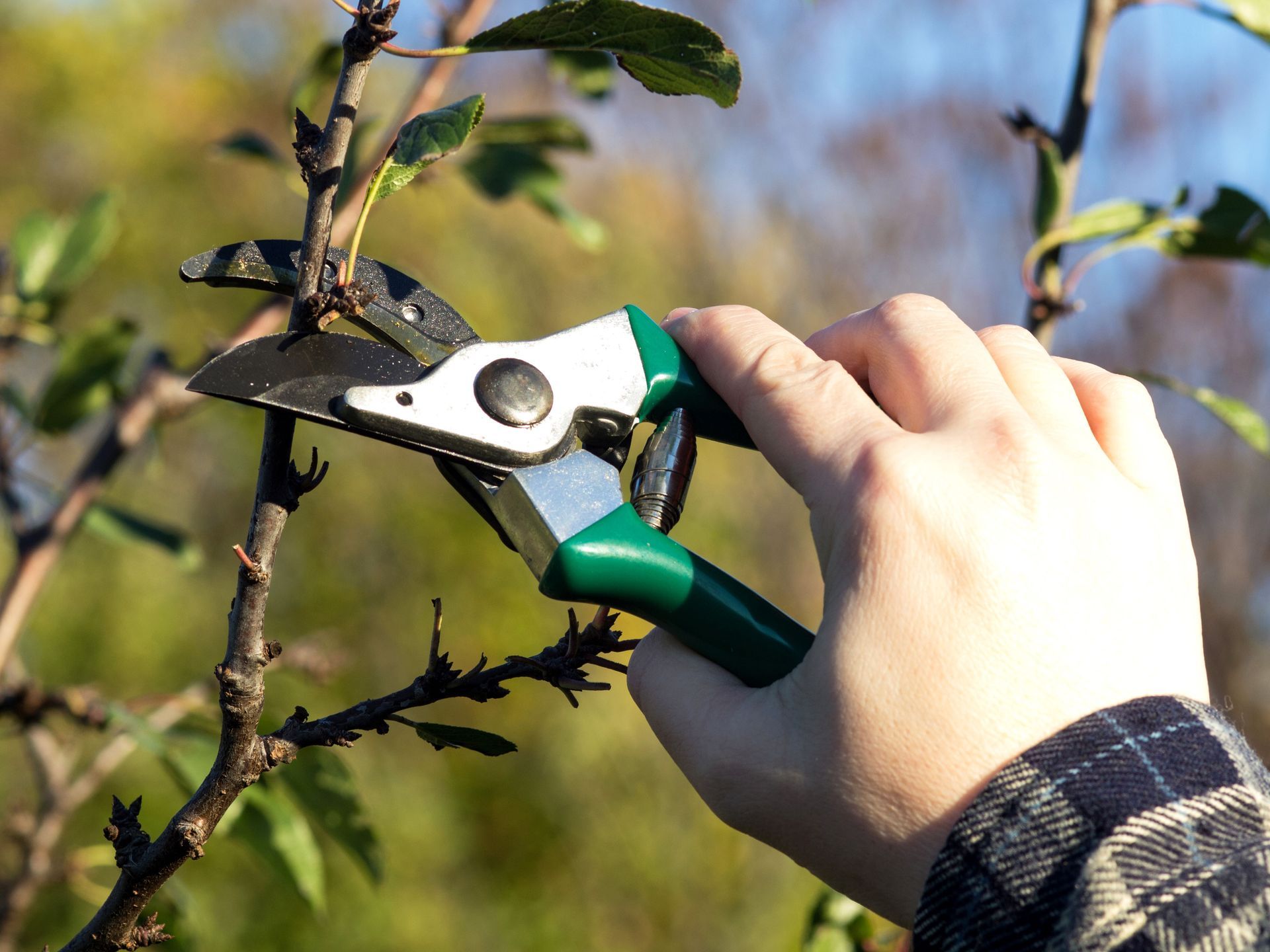
Trimming serves as a key practice to improve the overall health of your trees. Removing dead or diseased branches prevents decay organisms from entering and proliferating, thus safeguarding the rest of the tree. By allowing more sunlight and air to penetrate the tree's canopy, trimming encourages optimal growth conditions. Furthermore, light reaching lower branches enhances the well-being of foliage, hence improving overall plant vigor.
Enhances Safety
Ensuring the safety of your property is a top priority, and professional tree trimming services act as an effective preventive measure. Loose or weak branches can pose a significant hazard during storms, high winds, or heavy snowfalls.
Improves Tree Aesthetics
Appearance plays a substantial role in property value, and well-trimmed trees contribute significantly to curb appeal. Pruning can transform a dense, unruly tree into an elegant feature of your landscape. By shaping the tree, regular maintenance encourages not only health but symmetry and proportional balance. Blooming branches are more glorious when appropriately spaced, thus elevating the aesthetic quality of your garden or yard.
Seasonal Considerations
Winter Trimming: Benefits and Challenges
Winter is often considered the ideal time for tree trimming because the trees are in a state of dormancy. With sap flow slowed, trimming minimizes the risk of disease transmission. Furthermore, branches are more visible without leaves, allowing for precise cuts and better shaping. However, winter presents challenges such as extreme cold, which can complicate access and safety.
Spring and Summer Maintenance
Spring, characterized by bursting buds and new growth, brings opportunities and considerations for trimming. The early spring period is ideal for identifying dead branches before new leaves obscure them.
As summer progresses, tree growth often slows, making it an opportune time for minor trimming. Light trimming can enhance air circulation in the canopy and can also increase sunlight exposure to lower foliage.
Identifying Signs Your Trees Need Attention
Overgrown Branches and Deadwood
Observing the growth of your tree's branches is essential in determining the ideal time for professional intervention. Overgrown branches signify that thinning is necessary to restore balance and symmetry. Dead or diseased limbs should be addressed promptly to preserve your tree's vitality. Leaving these limbs unattended invites decay and disease to worsen, potentially spreading to healthy parts of the plant.
Density and Proximity
A dense canopy can pose various challenges that regular tree trimming services efficiently address. By thinning out excess foliage, you improve light availability and airflow, which is crucial for supporting favorable growth conditions.
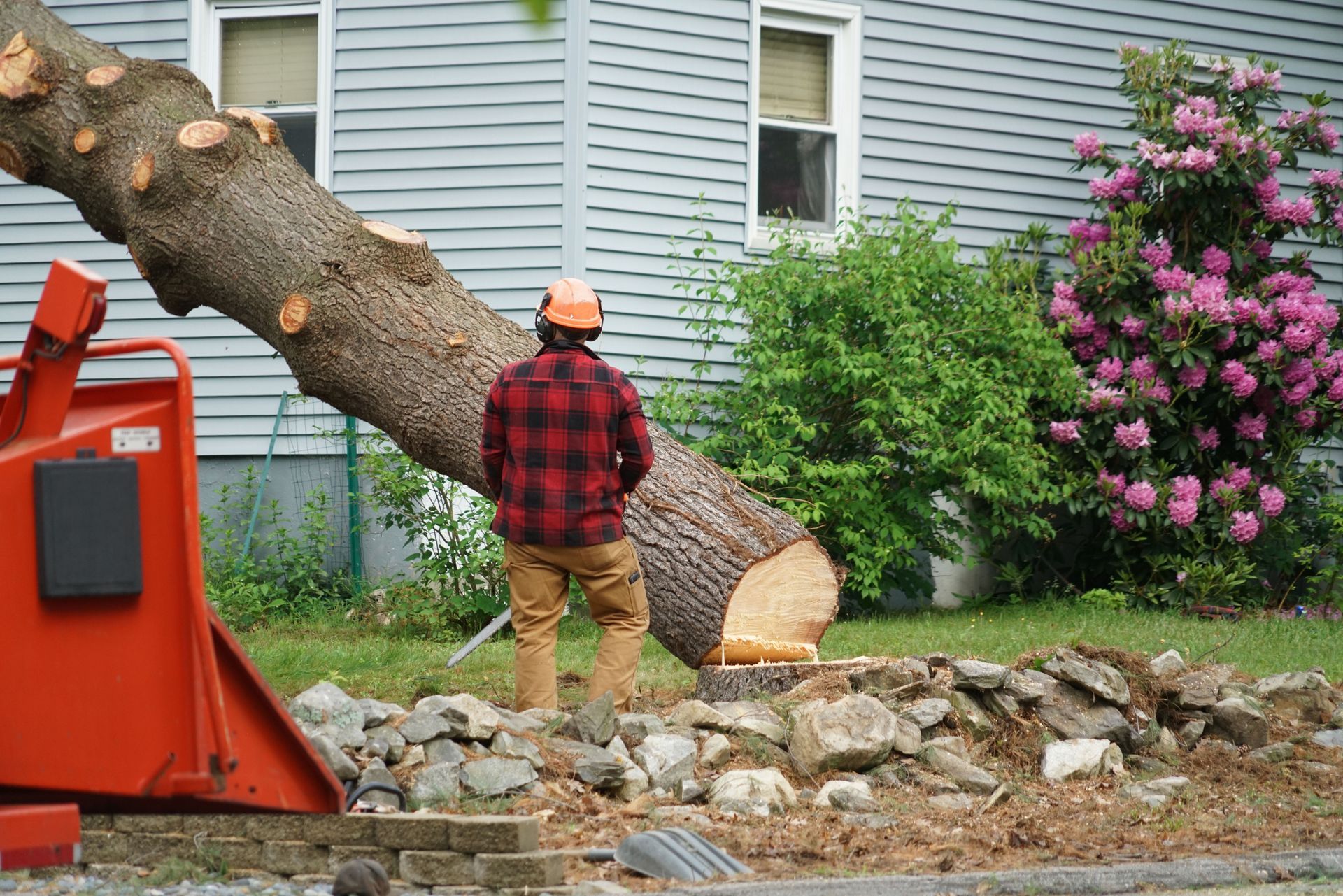
Trees growing too close to buildings or power lines also pose significant hazards that necessitate prompt attention. Regular trimming maintains a safe buffer zone, ensuring that branches do not encroach on man-made infrastructure.
Frequency and Planning
How Often Should You Trim?
The needs of young trees differ considerably from those of mature ones where trimming frequency is concerned. Young trees generally benefit from more frequent shaping to guide growth and establish healthy structures. According to Lawn Love, most trees need trimming every 3 to 5 years. Understanding this timeline helps inform a tailored schedule that is maximally supportive of long-term tree health.
Species-Specific Guidelines
For optimal health and growth, trees should be trimmed according to species-specific guidelines, which consider differing growth characteristics. For example, deciduous trees are often pruned during their dormant seasons, whereas evergreens may need light trimming throughout the year. By following guidelines tailored to particular species, you not only preserve the tree's natural beauty but also ensure its continued well-being. Consulting knowledgeable arborists helps develop tailored tree care approaches.
DIY vs. Professional Services
The Risks of DIY Efforts
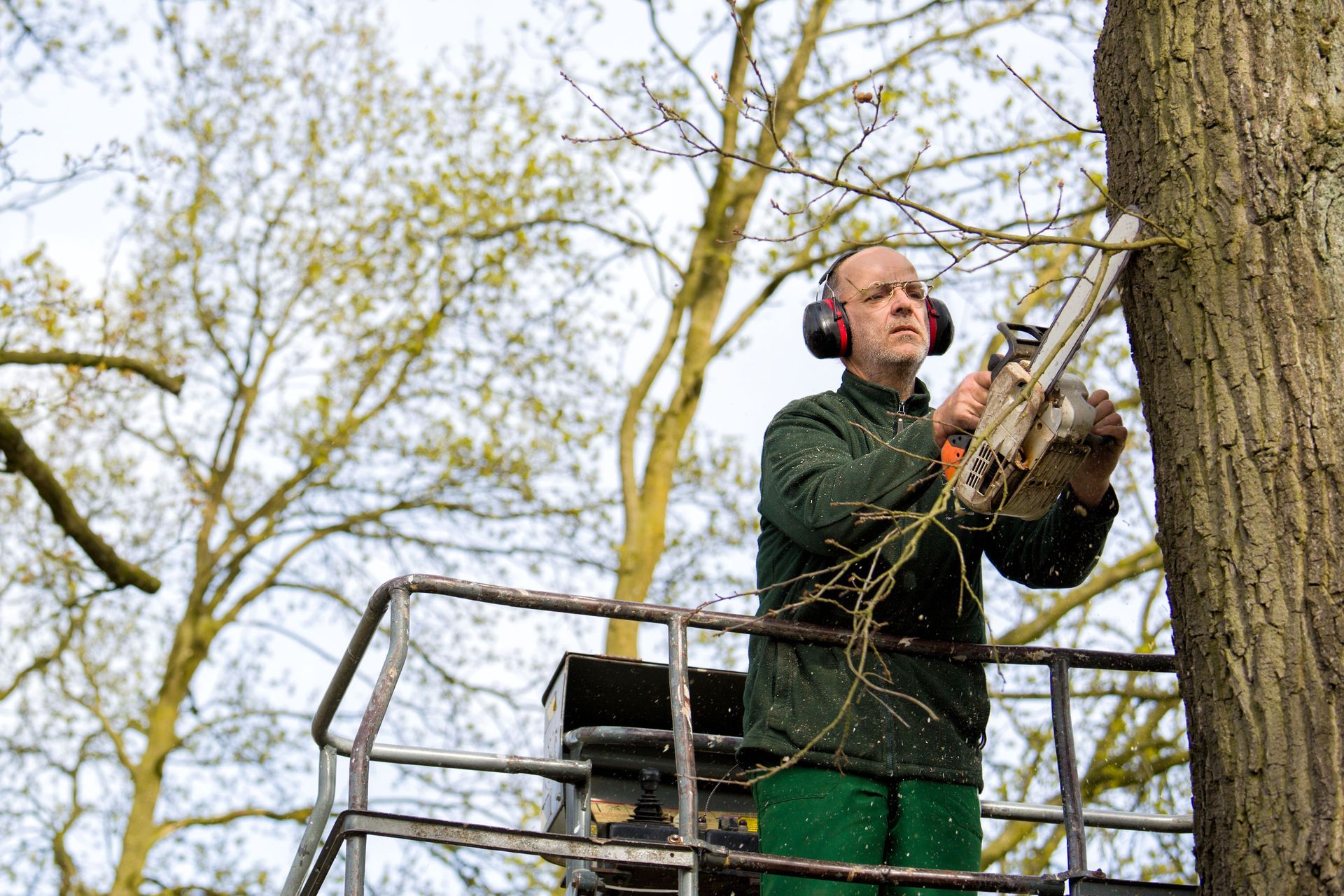
Undertaking tree maintenance as a DIY project can expose you to numerous risks without proper knowledge and equipment. Misjudging branch weight or stability can lead to personal injury or property damage due to falling debris. Furthermore, incorrect cutting methods may inadvertently cause structural harm to trees, predisposing them to pest or disease exposure. Recognizing these limitations is essential, as safety and tree health are of utmost priority.
Benefits of Professional Expertise
Collaborating with professional tree trimming services offers numerous advantages by leveraging expert knowledge and skill. Certified arborists bring extensive experience and familiarity with tree biology, thus providing informed recommendations. Their understanding of species needs and regional factors ensures precise, effective trimming tailored to specific tree requirements. Access to specialized equipment also improves safety and efficiency, enhancing overall results.
Preparing for Your Service
Setting Objectives and Safety
Before engaging a company, research is paramount to identifying a qualified and reputable provider. Seeking references and reading reviews from previous clients can offer valuable insight into the quality of local tree trimming services. Articulating desired outcomes, such as health optimizations or aesthetic adjustments, guides the approach and method undertaken. Open communication with your arborist is instrumental in defining shared goals and aligning expectations before work commences.
How to Select a Trustworthy Tree Service
Choosing the right professional for your tree trimming needs is just as important as knowing when to schedule the work. Not all companies operate with the same standards, and hiring the wrong service can lead to long-term damage or liability issues. When vetting potential providers, you should always prioritize hiring ISA Certified Arborists. These professionals have undergone rigorous training and testing to understand tree biology and the safest, most effective maintenance practices. Beyond credentials, verify that the company holds both liability insurance and workers' compensation coverage. Without this protection, you could be held financially responsible for accidents or injuries that occur on your property. You should also ensure the company follows ANSI A300 standards for pruning and be wary of any provider who suggests "topping" trees, which is the harmful and indiscriminate cutting of branches back to stubs. A professional company will always provide a clear, written scope of work that outlines exactly what will be done, the total cost, and how the cleanup will be handled.
Recognizing Warning Signs Beyond Overgrown Branches
While general maintenance is key, some signs indicate that your trees require more urgent attention. Proactively identifying these issues can save your trees and protect your home from potential damage. You should inspect your trees for structural risks, such as V-shaped crotches where two stems compete for dominance, or branches that show cracks or splits near the trunk. These represent weak attachment points that are highly susceptible to breaking during high winds or heavy storms. Additionally, if branches are within six feet of your roof or are physically touching utility lines, they pose immediate threats that require professional intervention. Never attempt to trim branches near power lines yourself, as this is an extremely hazardous task that must be left to professionals with specialized training. Finally, keep an eye out for mushrooms or fungal growth at the base of the tree or along the trunk, as these often signal internal rot. Similarly, if you notice deep, long-standing cracks in the bark or missing sections of bark, it may be time for a professional risk assessment to determine the long-term viability of the tree.
Understanding when and why to schedule maintenance can bring lasting benefits to your property's health, safety, and appearance. By considering these factors, you ensure that your trees remain robust and your property maintains its charm. Thorough planning and commitment to tree health underpin successful management approaches. With informed care, your curated landscape stands vibrant and resilient throughout the changing seasons. For more information, contact Jim's Tree Service, Inc.